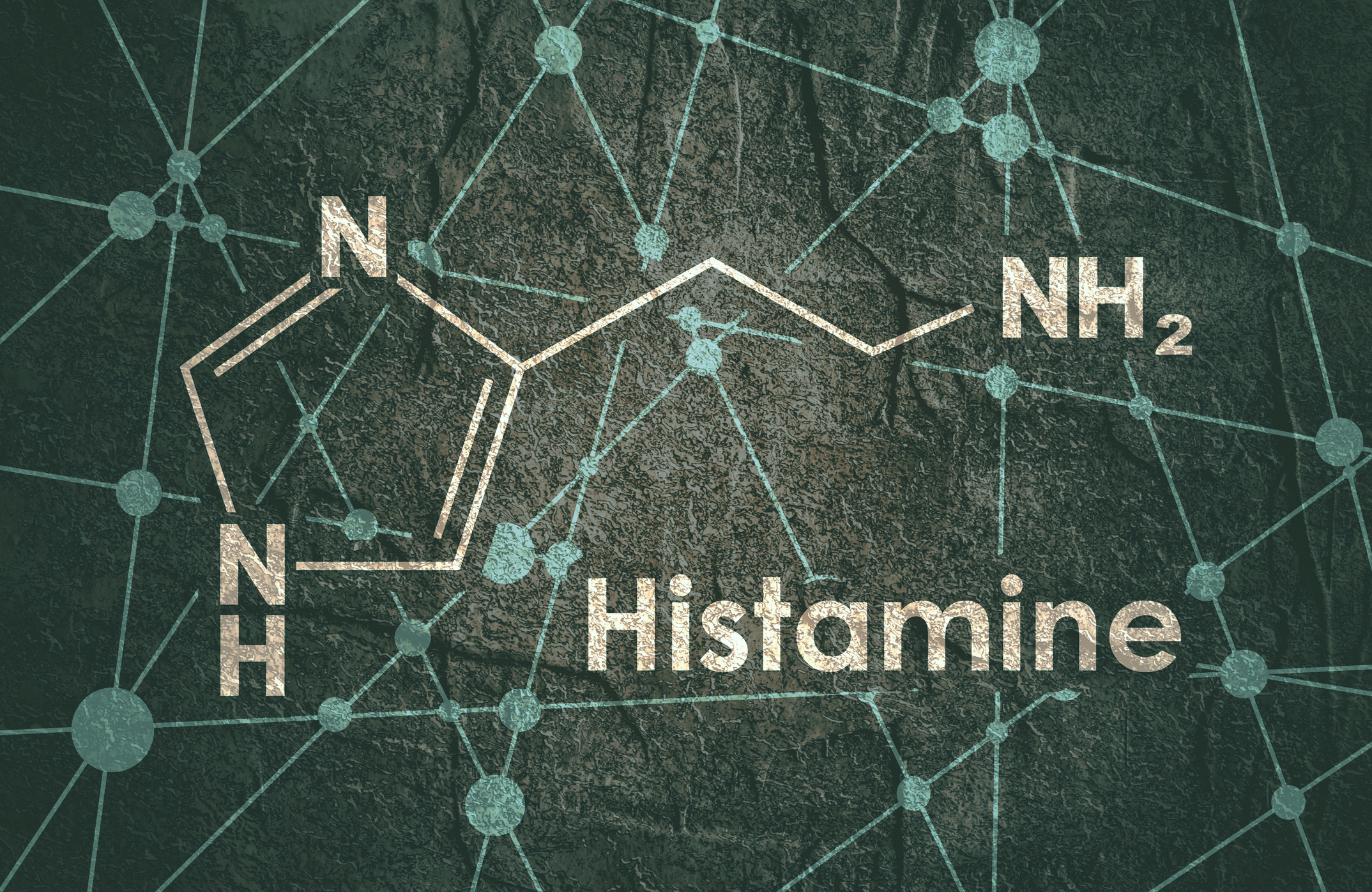
If you’ve ever noticed that symptoms like headaches, poor sleep, anxiety, bloating, skin flare-ups or feeling “wired but tired” seem to worsen around certain times in your cycle, there may be more than hormones alone at play.
One area that deserves more attention is the relationship between estrogen and histamine.
These two are closely interconnected. In the right amounts, both are useful and important. But when the balance shifts, they can amplify each other in ways that affect how a woman feels physically, mentally and hormonally.
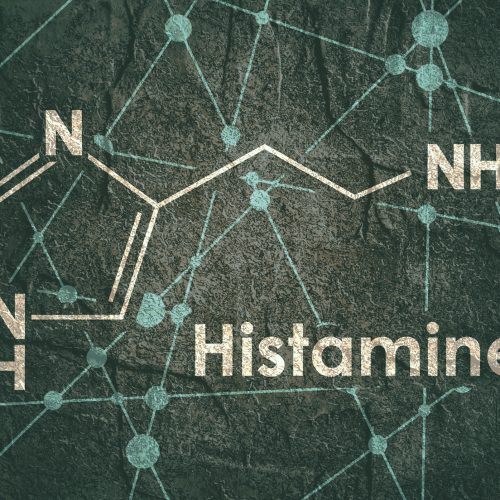
Histamine is a natural chemical messenger involved in immune responses, stomach acid production, brain signalling, and inflammation. It is not inherently “bad” – we need it. Problems tend to arise when histamine is released in larger amounts, broken down poorly, or when the body becomes more reactive to it.
Histamine is released by mast cells and other immune cells, and its effects can show up in many different ways, including headaches, flushing, itchiness, nasal symptoms, gut upset, palpitations, disturbed sleep, anxiety and fatigue. Because histamine can affect multiple systems at once, the picture can look surprisingly broad.
Estrogen appears to promote mast cell activation and histamine release, and mast cells themselves can respond to estrogen through estrogen receptors. Experimental studies have shown that estradiol can directly activate mast cells and enhance mediator release, including histamine.
There is also evidence that histamine activity can vary across the menstrual cycle, with older human data showing a correlation between urinary estrogen and histamine metabolites around mid-cycle, and newer work showing that serum diamine oxidase, one of the body’s histamine-degrading enzymes, changes across the cycle.
In practical terms, this helps explain why some women feel more histamine-sensitive when estrogen is rising or fluctuating.
The relationship is not one-way.
Histamine can also affect ovarian hormone production. In human granulosa cells, histamine has been shown to influence estradiol and progesterone secretion, suggesting that histamine may directly interact with reproductive hormone signalling.
In the reproductive tract, mast cells and histamine are involved in normal physiology as well, including uterine and implantation-related processes. Reviews suggest that estradiol and progesterone help regulate mast cell migration and degranulation in the uterus, which highlights how tightly linked the immune and reproductive systems really are.
So rather than thinking of hormones and histamine as separate worlds, it is more accurate to think of them as part of the same conversation.
When estrogen and histamine are amplifying each other, the symptom picture can look quite mixed.
A woman may notice:
This does not mean all of these symptoms are caused by histamine. It simply means that in some women, especially those with cyclical worsening, histamine may be one of the pieces contributing to the hormonal picture.
In clinic terms, this often shows up most clearly when estrogen is high relative to progesterone, or when estrogen is fluctuating significantly.
Because estrogen can promote mast cell activity, and because progesterone has been shown in experimental work to inhibit mast cell secretion, a lower-progesterone, higher-estrogen pattern may feel more reactive or inflammatory for some women.
This can be particularly relevant in:
Again, that does not mean histamine is the sole driver – but it may be part of why some women feel markedly worse at certain points in their cycle.
One of the more frustrating aspects of this pattern is how it can affect both mood and energy.
Histamine is a stimulating neurotransmitter in the brain, which means excess histamine activity can contribute to feeling alert, restless, anxious or unable to switch off. At the same time, poor sleep, inflammation, migraines, gut symptoms and ongoing stress on the system can leave someone feeling flat and depleted. That is often why the presentation becomes a confusing mix of “tired but wired”.
When this overlaps with fluctuating hormones, the person may feel as though their mood, resilience and energy change dramatically across the month.
This is where the bigger picture becomes important.
If estrogen is not being metabolised and cleared efficiently, symptoms may feel more pronounced. If histamine is also not being broken down effectively, that can add another layer. Diamine oxidase (DAO) is one of the key enzymes involved in histamine degradation, and its activity appears to be influenced by hormonal states, including the menstrual cycle and pregnancy.
This does not mean every woman needs to obsess over DAO, nor that one enzyme explains everything. It simply reinforces that hormones, gut function, immune activity and liver/gut clearance pathways are all connected.
The encouraging part is that this connection gives us more useful clinical clues.
If symptoms are cyclical, inflammatory, reactive, headache-prone, skin-related or strongly linked to ovulation and PMS, it may be worth considering not just hormone levels, but also the broader environment around estrogen metabolism, nervous system load, gut health and histamine handling. That can open up more personalised and more effective support.
In other words: your body is not being difficult. It may simply be giving clearer signals than we’ve been taught to look for.
A supportive approach may include:
The goal is not to fear estrogen or histamine. Both have important roles. The goal is to support balance, resilience and smoother signalling between the immune and hormonal systems.
Nikki x
Please place orders before Tuesday 16th December for delivery before Christmas. Orders placed over the holiday period will be sent after Monday 5th January.
Wishing you a Merry Christmas and Happy New Year.
Sign up to get access to announcements, recipes, special deals and more.